The Volusia Post-Storm Pickup Program: What It Covers
Every named storm in Volusia County triggers some version of the same response. The county and individual cities decide whether storm debris will be picked up on normal collection days, or whether a special storm-debris pass will run for a limited window. Either way, the program is intentionally narrow. It clears obvious vegetative debris, not everything that ended up in your yard.
What the program typically picks up:
- Vegetative debris from trees on your property. Branches, palm fronds, palm trunks, and small whole trees that came down in the wind.
- Debris placed in the public right-of-way. The strip between the sidewalk and the street. Not in your yard, not at the back of a long driveway. Trucks pick from the ROW, full stop.
- Separated piles. Vegetative in one pile, construction in another, appliances in a third, hazardous in a fourth. Mixed piles get skipped.
What it does not cover:
- Bagged debris. Volusia specifically excludes bagged debris from ROW storm pickup. Bagged fronds may sit there.
- Construction debris. Drywall, lumber, fencing, shingles, soffit material. Not part of the vegetative program.
- Hazardous debris. Paint, tires, batteries, motor oil, propane, pool chemicals. Handled through Volusia HHW separately.
- Anything generated after the response window closes. Once special collection ends, cleanup is on the property owner.
What Gets Left Behind (and Why)
Drive any Port Orange neighborhood a week after a storm and the patterns are visible. Some piles disappear. Others sit through the next mow cycle and the next. The piles that sit usually fall into one of these categories:
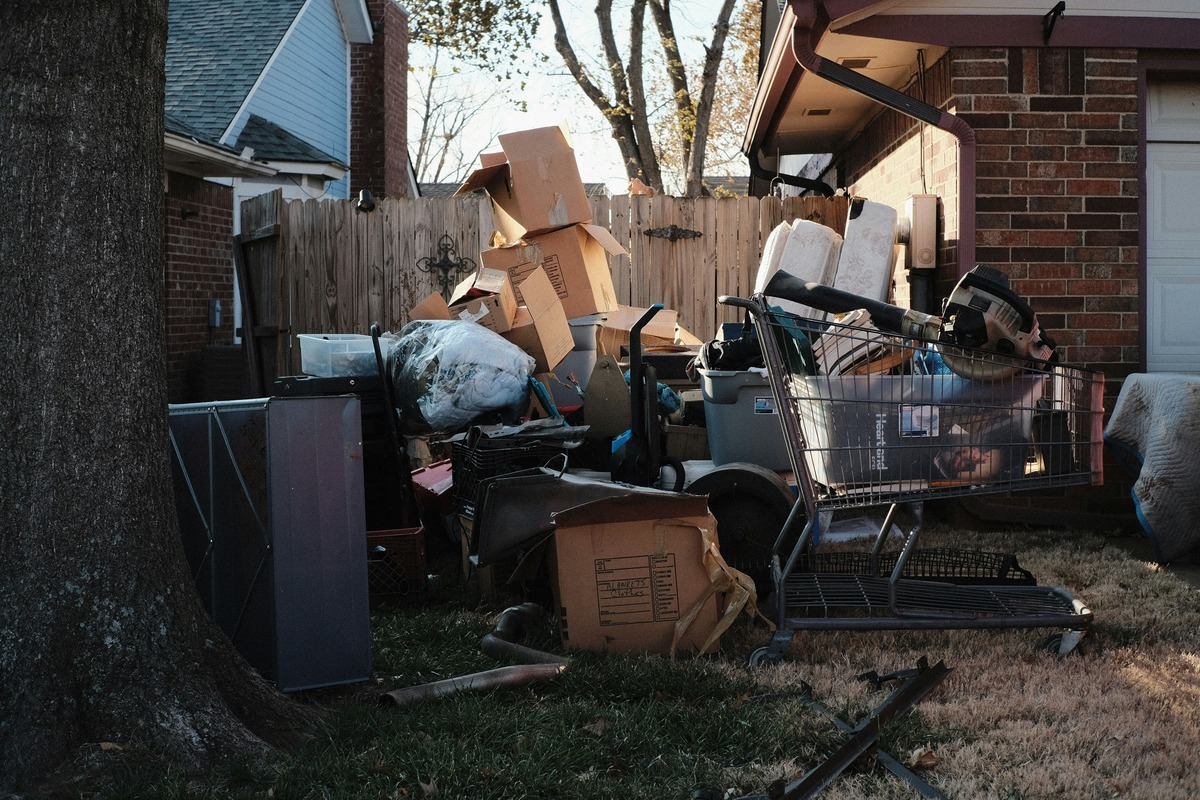
Mixed piles. Vegetation tangled with a chunk of fence, palm fronds mixed with an old window screen. The crew sees mixed material from the cab and keeps driving. They're set up to claw vegetation, not to sort.
Oversized pieces. Whole sabal palm trunks, tangled root balls with soil still attached, live oak sections too thick for the chipper. Different equipment, often not part of the response window.
Debris from inside structures. Drywall pulled because of a roof leak, water-damaged carpet, ruined cabinetry. Construction stream, not vegetation stream.
Bagged anything. Even bagged vegetation. Volusia's storm collection wants loose piles they can grab quickly.
Debris on private property. Trees down in the back yard, fronds piled on the side of the house. Trucks operate from the ROW only. Crews don't enter private property.
The Code Enforcement Clock Starts Ticking
Most Volusia municipalities suspend normal nuisance enforcement during an active storm response. Once that window closes, the clock starts running. A pile of debris sitting in the ROW after the official period is technically a property maintenance violation.
Code enforcement operates on complaints first. A neighbor calls, an officer drives by, photographs the pile, and posts a notice. The notice gives a defined window (often 7 to 14 days) to clear it. Miss the window and a fine begins to accrue, or the city contracts the cleanup and bills the owner at municipal rates, which run higher than a private hauler.
The risk isn't immediate. It's that the pile transitions from "storm debris" to "your problem" without you noticing.
Three Things Volusia Homeowners Get Wrong
These come up in nearly every post-storm cleanup.
1. Bagging the yard waste. Instinct is to bag for tidiness. Volusia's storm program wants loose piles. Bagging moves your debris into the "won't be collected" bucket.
2. Mixing construction debris into the vegetation pile. If a fence came down, the wood and chain-link will not be picked with the palm fronds. Separate piles three to four feet apart, and the vegetative side gets picked.
3. Stacking on the neighbor's frontage. Crews pick debris based on the property line in front of the pile. The neighbor ends up credited (or eventually cited) for your pile. Keep debris on your own ROW.
Wait for the City or Call a Hauler: How to Decide
For pure vegetative debris on your own ROW, in a separated pile, during an active storm-response window: wait for the city. Free, sized for volume, already coming through.
The math changes when:
- The debris isn't pure vegetation. Mixed loads or construction debris will sit indefinitely.
- The pile is on private property. Back yards, side yards, behind fences, around the pool cage.
- The pile contains oversized material. Whole palm trunks, large root balls, big live oak sections.
- You missed the response window or no special collection was activated for your storm.
- You're selling the property. A debris pile in the listing photo kills showings. Real estate timelines don't fit "the city will get to it eventually."
- The pile is attracting pests or starting to rot. Wet vegetation in Florida humidity becomes a habitat in about two weeks.
What a Private Hauler Takes That the City Won't
The short answer: everything the storm program excludes. A private yard waste removal service handles mixed piles, oversized material, debris inside the property line, and anything that doesn't fit Volusia's narrow definition. Construction debris pickup handles fencing, drywall, soffit, shingles, and renovation material the storm program won't touch. The difference in practice: access onto the property, mixed loads in one visit, scheduling on your timeline, and correct disposal routing for each material category.
Post-Storm Cleanup Sequence for Port Orange Homes
If you're working through a post-storm yard right now, this is the order that minimizes wasted effort:
- Check for an active storm-debris window. County website or city social media will say. If yes, you have a free option for vegetative debris.
- Separate at the source. Vegetation, construction, appliances, hazardous: four piles, three to four feet apart.
- Stage at the ROW, loose, not bagged. Loose piles get picked. Stay off the neighbor's frontage.
- Document before the city picks anything up. Photos with a timestamp for insurance.
- Handle off-program material separately. Anything outside the storm definition needs a private haul or HHW drop-off.
- Track the response window closing date. Once collection ends, what's left in the ROW is back on you.
If the cleanup is bigger than you want to do alone, or if the pile is already past what the city will take, call (386) 999-3832 for a walkthrough and quote. Across Port Orange, Daytona, New Smyrna, Ormond, Edgewater, and the rest of Volusia.